

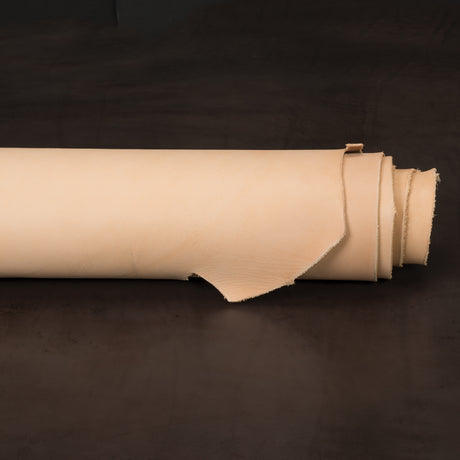
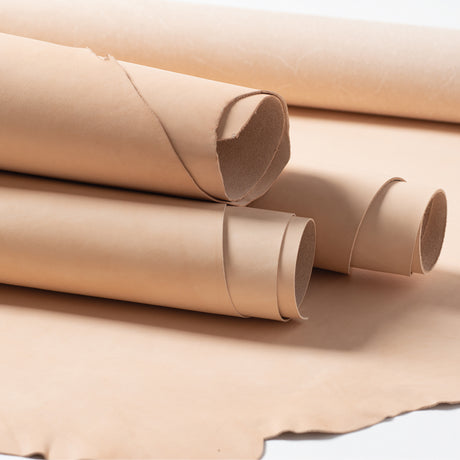


Hermann Oak® Veg Tanned Strap Sides
Regular price $310.00Unit price
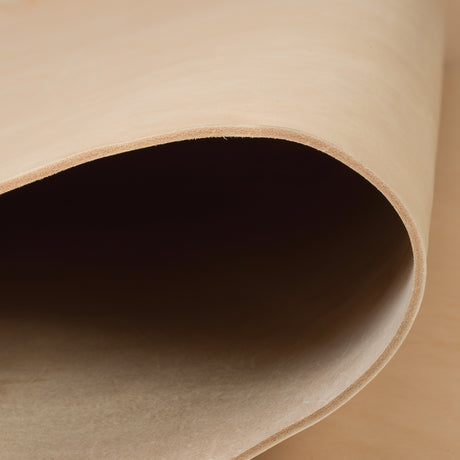


 Regular priceFrom $99.10Unit price
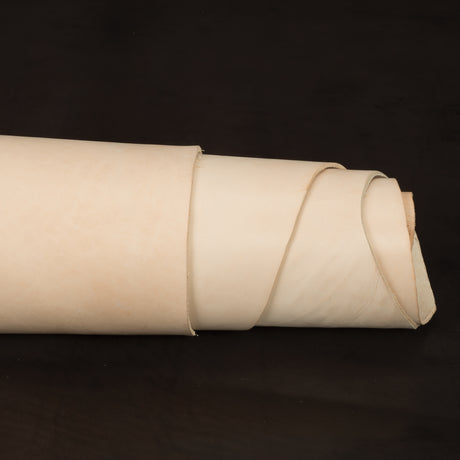
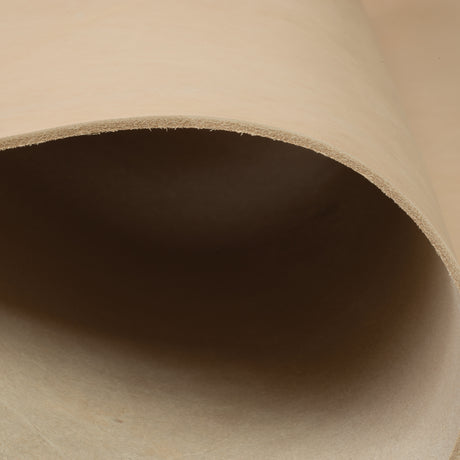


Veg Tanned V-Cut Double Shoulders
Regular priceFrom $120.00Unit price


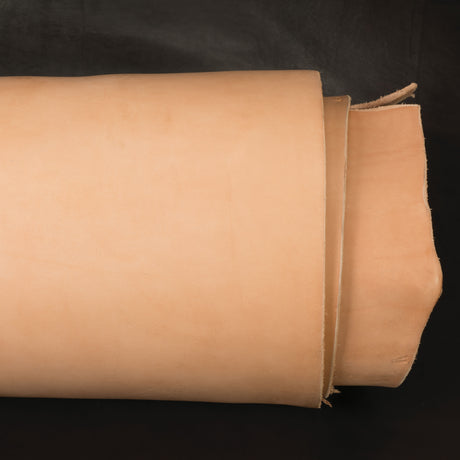
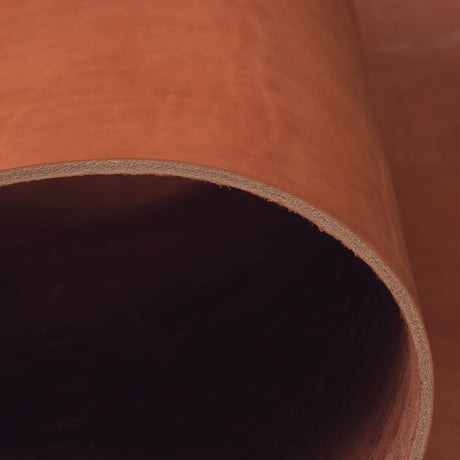
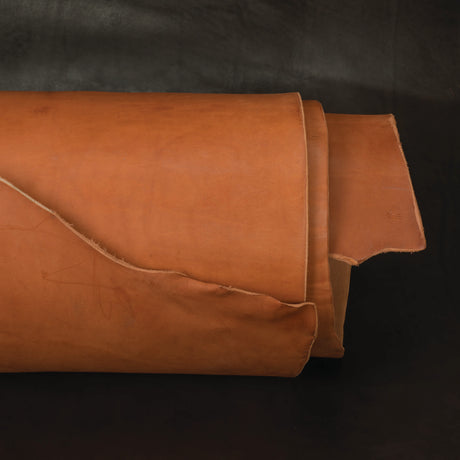


Veg Tanned Double Shoulders, Utility Grade
Regular priceFrom $115.00Unit price


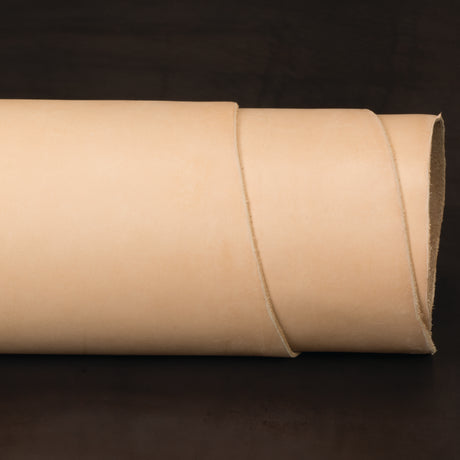


CHAHINLEATHER® Veg Tanned Natural Strap Leather, Sides
Regular priceFrom $290.00Unit price
 Regular priceFrom $26.00Unit price


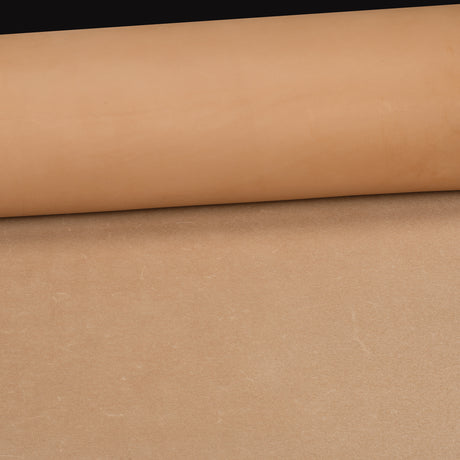


Hermann Oak® Holster Leather Sides
Regular price $295.00Unit price


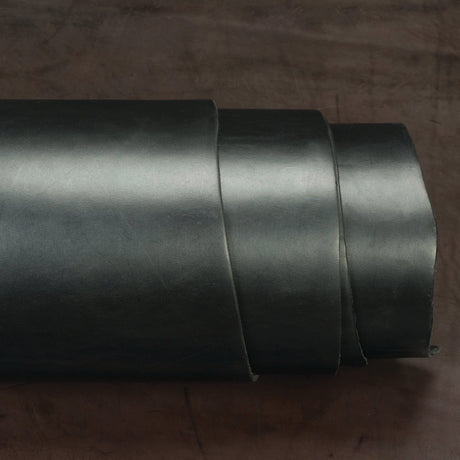
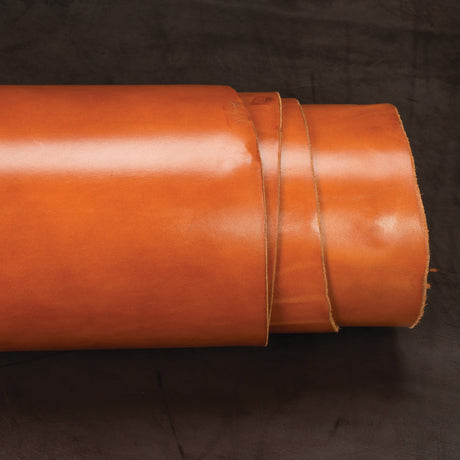


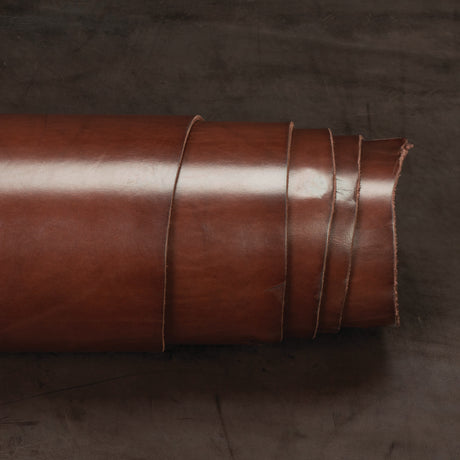


 Regular priceFrom $170.00Unit price


Hermann Oak® Veg-Tan Single Shoulders, Natural
Regular price $59.00Unit price


 Up to 25% off


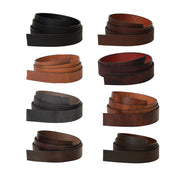
Natural Strap Belt Blank, 8/9 oz.
Regular priceFrom $7.80Unit price




Frequently Asked Questions
What's the difference between vegetable-tanned and chrome-tanned leather?
What's the difference between vegetable-tanned and chrome-tanned leather?
Vegetable-tanned leather is tanned with plant-based tannins over one to three months, giving it the firmness needed for tooling, carving, and wet-molding. Chrome-tanned leather is tanned in one to three days using chromium salts, making it softer, more supple, and available in a wider color range, but it doesn't hold tooling or stamping. Choose veg tan for structured goods like belts and holsters, and chrome tan for soft goods like bags, garments, and linings.
How is leather thickness measured, and what weight do I need?
How is leather thickness measured, and what weight do I need?
Leather thickness is measured in ounces, where each ounce equals about 1/64 inch, so an 8 oz. hide runs roughly 1/8 inch thick. Thin leather (2–4 oz.) suits linings and small goods, mid-weight (5–7 oz.) works for wallets and light bags, and heavier weights (8 oz.+) suit belts, holsters, and structural pieces. Check a leather thickness chart against your specific project before ordering, since going too thick or thin can make stitching and folding difficult.
Should I buy a whole hide, a side, or a smaller cut like a shoulder or belly?
Should I buy a whole hide, a side, or a smaller cut like a shoulder or belly?
A whole hide gives the most usable material and consistency across a large project but costs the most upfront and requires more storage space. Sides, shoulders and bellies are more affordable, project-sized options that reduce waste if you only need a partial hide's worth of leather. For a first project or single item like a wallet, a smaller cut avoids paying for leather you won't use.
What's the difference between natural and dyed veg-tan leather?
What's the difference between natural and dyed veg-tan leather?
Natural veg-tan leather comes undyed, letting you carve, stamp, and dye it yourself for a fully custom finish, and it also patinas naturally with handling over time. Dyed veg-tan leather saves the extra dyeing step and gives consistent, even color right out of the box. Choose natural if you plan to tool or dye the piece yourself, and dyed if you want a ready-to-stitch color match.
How do I know if a leather type is durable enough for a specific project?
How do I know if a leather type is durable enough for a specific project?
Match the tannage and weight to the stress the item will see: veg-tan in 8–10 oz. holds up well for holsters and belts that need rigidity, while chrome-tanned leather in lighter weights suits bags that need to flex and fold. Items exposed to water or heavy wear, like tack or work belts, benefit from firmer, higher-oz. veg tan. If you're unsure, check the product description for the leather's intended use case before buying.
What's the difference between top grain, pull-up and pebbled leather?
What's the difference between top grain, pull-up and pebbled leather?
Top grain refers to leather with the outer surface intact, giving a smooth, natural look that shows the hide's texture. Pull-up leather has an oil or wax finish that lightens in color when stretched or flexed, giving a rustic, worn-in look over time. Pebbled leather has a textured surface (natural or embossed) that hides minor scratches better than a smooth finish, which suits everyday-carry items.
Does buying from a named tannery like Hermann Oak or ChahinLeather matter?
Does buying from a named tannery like Hermann Oak or ChahinLeather matter?
Named tanneries follow consistent tanning processes and quality controls, which typically means more predictable thickness, temper and color across pieces. This consistency matters most for projects where multiple parts need to match, like a saddle or a multi-panel bag. For smaller, single-cut projects, house-brand or unbranded leather of the right type and weight can perform just as well at a lower cost.
How much leather should I order for my project, accounting for waste?
How much leather should I order for my project, accounting for waste?
Plan for roughly 15-20% extra beyond your pattern's exact square footage to account for trimming, layout inefficiency and any natural blemishes you'll want to cut around. Hides vary in shape, so irregular cuts (like bellies or shoulders) often require more overage than a clean rectangular panel. Buying slightly more than the calculated minimum is cheaper than running short and needing to match a new hide's color and grain later.